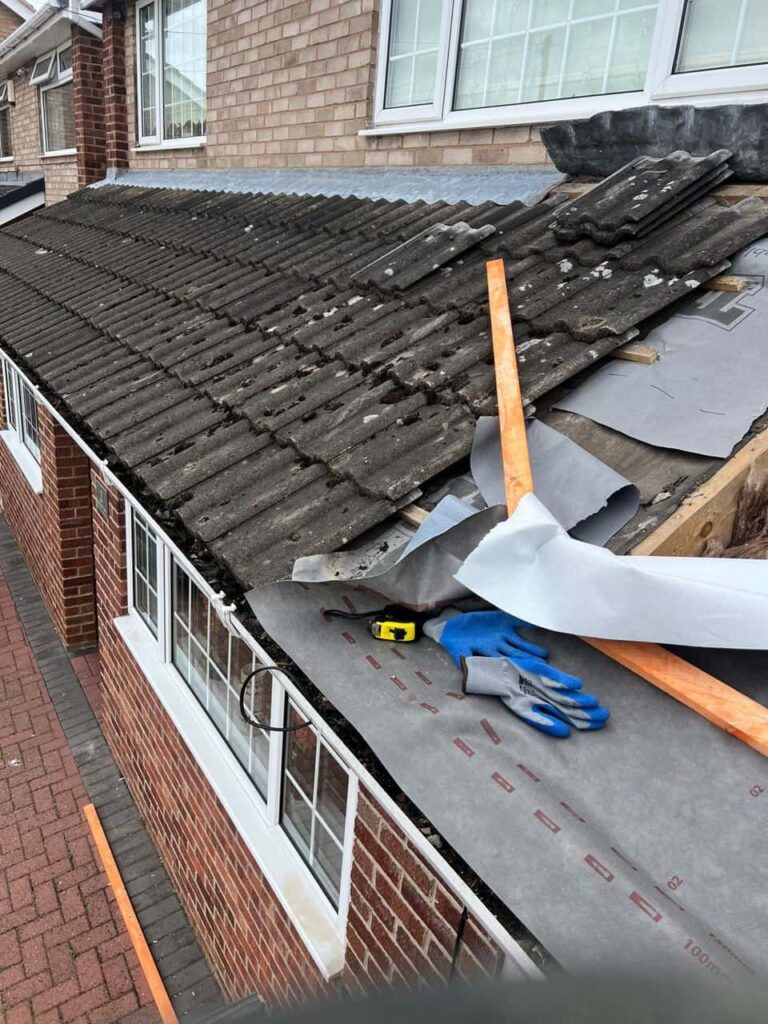
Roofing materials can remain firmly in position for many years before suddenly showing signs of movement. A tile that has never caused concern may slip, ridge materials can loosen, or sections that once appeared completely secure may begin moving during strong winds. Although this can seem like a sudden failure, instability often develops gradually as materials and their fixings are exposed to years of weathering.
For homeowners in Nettleham, Lincolnshire, understanding why roofing materials have started moving is important. Replacing a visibly displaced component may be appropriate in some circumstances, but the surrounding roof should also be checked to establish whether the problem is isolated or part of wider deterioration. Finding the cause helps ensure that repairs restore reliable performance rather than simply correcting what can be seen from ground level.
Why Can Roofing Materials Become Loose After Years of Being Secure?
A roof is continually exposed to changing conditions. Wind, rain, moisture and temperature variations place repeated demands on tiles, slates, mortar, fixings and adjoining components.
These effects may be minor individually, but they accumulate over time.
Eventually, materials that were originally secure can lose some of their support or fixing strength. A period of particularly demanding weather may then expose a weakness that has been developing for considerably longer.
This is why apparently sudden roof movement does not necessarily mean that the underlying problem is new.
Natural Weathering Can Gradually Affect Roof Components
All external roofing materials experience weathering.
Tiles and slates themselves may remain serviceable while the components securing or supporting them begin to deteriorate. Mortar can become weathered, fixings can lose effectiveness and surrounding materials can change condition.
The rate of deterioration is not necessarily consistent across the complete roof. Some areas may remain secure while individual sections become vulnerable earlier.
Professional inspection can help distinguish normal surface ageing from deterioration that is beginning to affect roof stability.
Strong Winds Can Reveal Existing Weaknesses
Wind is frequently associated with slipped or displaced roofing materials, but it is not always the original cause of the problem.
A correctly secured roof covering is designed to withstand normal exposure. However, if a fixing has already deteriorated or a tile has become slightly loose, strong winds can place additional pressure on that weakened area.
The resulting movement may therefore reveal an existing vulnerability rather than create the entire problem.
After a tile or slate has moved, checking neighbouring materials can establish whether the issue is limited to one component or whether similar weaknesses are developing nearby.
Fixings Can Deteriorate Over Time
Tiles and slates rely on appropriate fixing methods to keep them correctly positioned.
Although the visible covering may appear in reasonable condition, older fixings can deteriorate. Once their ability to hold roofing materials securely is reduced, movement becomes more likely.
This can sometimes explain why apparently sound tiles begin slipping without showing obvious cracking or impact damage.
Simply repositioning the visible material without considering how it is secured may therefore fail to address the reason it moved.
Mortar Deterioration Can Reduce Stability
Mortar is commonly associated with ridge, verge and other roofing details. As it weathers, cracks and gaps can develop.
Small areas of deterioration may initially appear cosmetic, but progressive breakdown can eventually affect how securely adjoining components are held.
Signs can include:
- Cracking around mortar joints
- Loose fragments appearing below the roof
- Visible gaps developing around components
- Movement in ridge or verge materials
- Increasing deterioration across neighbouring sections
Where these signs are present, the complete affected detail should be assessed rather than concentrating only on the first loose component.
Moisture Can Contribute to Progressive Deterioration
Water is intended to travel over the external roof covering and away from the property. When it reaches vulnerable areas beneath or between components, however, it can contribute to deterioration.
Small gaps may allow moisture into places that were previously protected. Repeated wetting can then affect surrounding materials and potentially increase an existing weakness.
The relationship can become progressive: deterioration creates an opening, moisture reaches the vulnerable area, and continued exposure allows the defect to develop further.
Addressing the source of the weakness can therefore be more important than simply restoring the visible position of the roofing material.
Movement in One Tile Can Affect Neighbouring Materials
Roof coverings work as systems rather than collections of completely independent components.
A displaced tile can alter the way surrounding materials overlap or sit against one another. It may expose an edge that was previously protected or create a route through which wind-driven rain can travel.
Neighbouring tiles may still be secure, but they should be checked when one component has moved unexpectedly.
If several adjacent materials are beginning to shift, this can indicate a problem affecting the wider section rather than a single isolated tile.
Cracks Can Reduce the Strength of Roofing Materials
Roof tiles can sometimes develop cracks that are difficult to identify from ground level.
A cracked tile may remain in place initially but become increasingly vulnerable as weather continues to act on it. Eventually, part of the tile may move, break away or lose its original position.
The surrounding roof covering should be examined whenever cracked materials are discovered because similar weathering may be affecting neighbouring components.
This does not necessarily mean that extensive work is required, but it provides useful information about the condition of the affected area.
Previous Repairs Can Influence How Different Sections Age
Many established roofs contain materials that have been repaired or replaced at different times.
These areas may age differently because some components are newer than others. A previous repair can remain completely sound while original materials around it begin deteriorating.
Conversely, movement can sometimes develop around the transition between sections where different materials or fixing arrangements meet.
Assessing both repaired and original areas together helps determine where the current weakness actually originates.
Changes Around Roof Junctions Deserve Attention
Roof junctions contain details designed to manage water and connect different parts of the roof effectively.
When materials around these areas begin moving, several components may be involved. Flashing, tiles and adjoining details can influence one another, so treating only the most obvious displaced material may not provide a complete repair.
A professional inspection can determine whether the movement is isolated or whether deterioration around the junction has contributed to the instability.
This is particularly important when water ingress is also present.
Why Repeated Movement Is Significant
A tile that has slipped once may result from a localised defect. If the same area repeatedly develops movement, however, the underlying cause deserves closer investigation.
Replacing or repositioning individual materials each time may deal with the immediate symptom without resolving why the section keeps becoming unstable.
Repeated movement can indicate deterioration of fixings, support or surrounding components.
Identifying this pattern allows the affected area to be approached as one roofing problem rather than a series of unrelated incidents.
Several Loose Areas Can Indicate Wider Deterioration
If previously secure materials begin moving in several unrelated parts of the roof, a broader assessment can be useful.
The defects may still be individually repairable, but their appearance within a similar period can indicate that materials of comparable age are beginning to weather at the same time.
A whole-roof inspection can establish whether instability is concentrated around particular details or developing more generally.
The purpose is to understand the pattern before deciding how much work is genuinely necessary.
Why the Cause Should Be Found Before Repairing the Symptom
A loose tile is easy to identify, but knowing why it became loose is more valuable.
If the tile itself is damaged, addressing that component may solve the problem. If its fixing has deteriorated or the surrounding roof section has become unstable, the repair needs to account for those conditions as well.
At Nettleham Roofing Repairs, we assess visible movement together with surrounding roofing materials and associated details. This helps establish whether the problem is isolated and allows repair work to focus on the actual source of instability.
Early Attention Can Help Keep a Local Problem Contained
A slightly displaced roofing component can become more vulnerable if left exposed.
Further wind may increase movement, while altered overlaps can provide opportunities for water to reach areas that were previously protected. Nearby components may also become more exposed.
Having unexpected movement assessed while it remains localised can help prevent a relatively contained defect from influencing a larger section of the roof.
For homeowners in Nettleham, noticing a change in previously stable roofing materials is therefore a useful reason to arrange an inspection rather than waiting for more obvious deterioration.
Professional Roof Repairs Should Restore Stability
The objective of repair is not simply to make the roof look correctly aligned again.
The affected components need to be securely reinstated and the cause of their movement understood. Surrounding materials should also be checked where appropriate to confirm that they remain dependable.
This considered approach can often allow a specific area to be repaired without disturbing parts of the roof that continue to perform correctly.
Conclusion
Previously secure roofing materials can become unstable for several reasons, including natural weathering, deteriorating fixings, mortar breakdown, cracking, moisture exposure and repeated wind pressure. What appears to be sudden movement may actually be the final stage of deterioration that has developed gradually.
A single loose tile or roof component can sometimes be an isolated issue, while repeated movement or instability across several areas may justify a wider assessment. The important step is identifying why the material moved before deciding on the appropriate repair.
If tiles, slates or other roofing components at your property in Nettleham, Lincolnshire have started moving after years of reliable performance, Nettleham Roofing Repairs can assess the affected area and determine the underlying cause. A professional repair can restore stability while ensuring that sound sections of the roof are left undisturbed.
Call us on: 01522 305 995
Click here to find out more about Nettleham Roofing Repairs
Click here to complete our contact form and see how we can help with your roofing needs.